
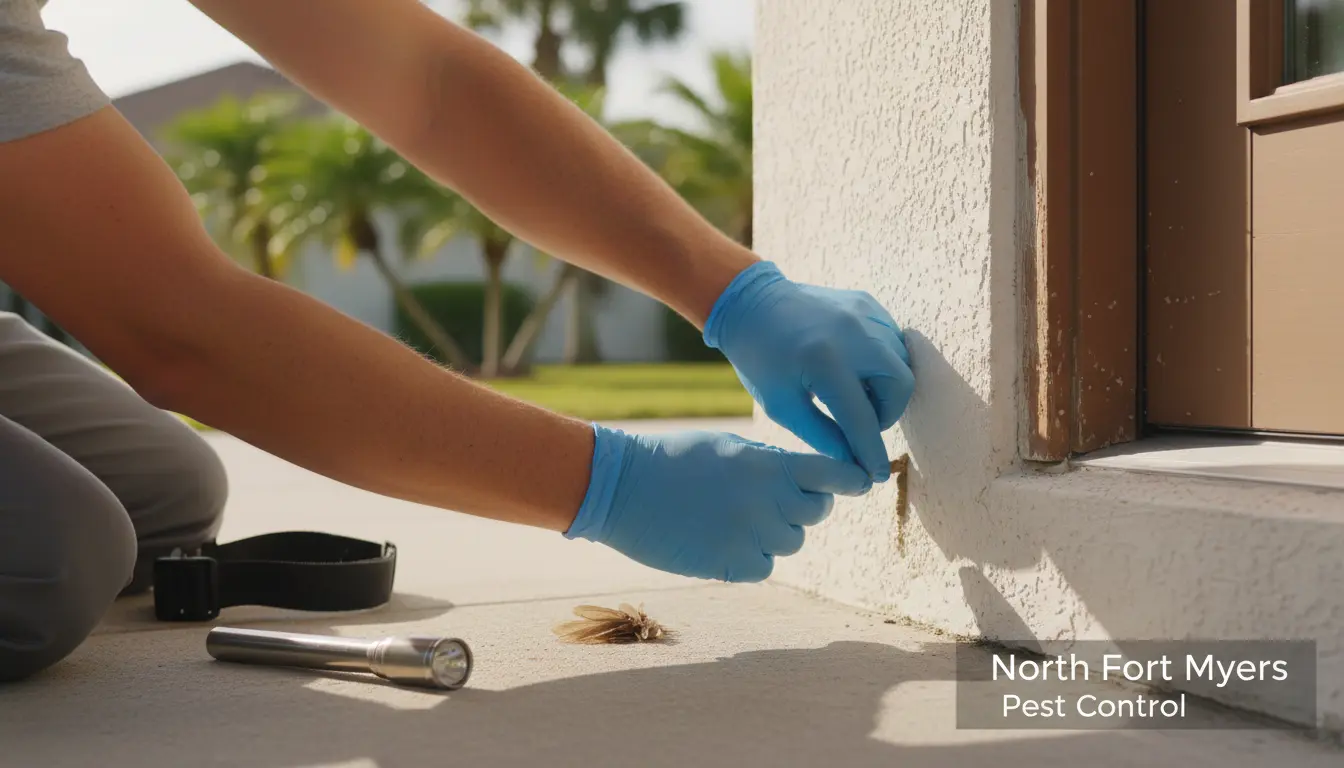
Living in the sunny paradise of North Fort Myers means enjoying beautiful weather, but it also comes with its share of pest challenges. Termites, often called ‘silent destroyers,’ can wreak havoc on your home without you even noticing until it’s too late. As a homeowner in this vibrant community, staying vigilant is key to protecting your investment. In this guide from North Fort Myers Pest Control, we’ll uncover the five most common signs of termite infestations tailored to our local area. Whether you’re in a cozy bungalow near the Caloosahatchee River or a spacious family home in the suburbs, recognizing these warning signals early can prevent thousands in repairs.
Termites thrive in Florida’s warm, humid climate, and North Fort Myers’ proximity to water sources makes it a prime hotspot. Don’t wait for the damage to show—knowledge is your first line of defense. Let’s dive into the signs and what you can do about them.
Understanding Termites in North Fort Myers
North Fort Myers’ subtropical environment is ideal for subterranean and drywood termites, which are prevalent in Lee County. These pests feed on wood, causing structural damage that can compromise your home’s foundation, walls, and roof. According to local experts, untreated infestations can cost homeowners upwards of $5,000 annually in repairs. But spotting the early signs can stop this nightmare in its tracks.
Why North Fort Myers Homes Are at Risk
Our area’s sandy soils and high moisture levels create perfect conditions for termites to tunnel underground and invade homes. If your property is near mangroves or canals—common in neighborhoods like North Trail or Palmona Park—you’re at higher risk. Regular vigilance, combined with professional services, is essential.
Sign 1: Mud Tubes on Foundations and Walls
One of the most telltale signs of subterranean termites is the presence of mud tubes. These pencil-sized tunnels, made from soil and wood fragments, allow termites to travel from the ground to your home’s wooden structure while staying protected from air and light.
How to Spot Mud Tubes in Your Home
Inspect the exterior foundation, especially around crawl spaces or slabs in North Fort Myers bungalows. Look for irregular, dirt-like streaks climbing up brick or stucco walls. Indoors, check basement areas or under sinks. If you find these, don’t disturb them—doing so can cause termites to scatter and hide deeper.
Practical Tip: Use a flashlight and gloves during your inspection. If mud tubes are present, contact professionals immediately for a termite inspection to assess the extent of the infestation.
Sign 2: Swarming Termites or Wings
During spring and fall in North Fort Myers, you might notice winged termites swarming around lights, especially after rain. These ‘alates’ are reproductive termites shedding their wings to start new colonies. Finding discarded wings near windowsills or doors is a red flag.
Identifying Swarmers Locally
In our humid climate, swarms often occur near water bodies like the Imperial River. If you see pincer-jawed insects about half an inch long with straight antennae and equal-length wings, it’s likely termites—not ants, which have unequal wings.
Actionable Advice: Vacuum up the wings and swarmers carefully to avoid spreading pheromones that attract more. Then, schedule a thorough check. For homes in nearby Fort Myers, similar patterns emerge, so sharing experiences with neighbors can help.
Sign 3: Hollow-Sounding Wood
Tap on wooden beams, door frames, or floorboards—if they sound hollow, termites may have eaten away the interior while leaving a thin outer layer intact. This is common in drywood termites, which don’t need soil contact and infest attics or furniture.
Testing for Hollow Wood in North Fort Myers
In older homes built with pine or cedar—prevalent in our historic districts—gently knock on sills and joists. A solid ‘thud’ is good; a dull ‘echo’ signals trouble. Probe gently with a screwdriver; if it sinks in easily, damage is underway.
Practical Tip: Focus on areas exposed to moisture, like bathrooms or patios. Early detection here can save your termite inspection costs from escalating. If you’re in the Fort Myers area, consider our expanded services for comprehensive coverage.
Sign 4: Frass or Termite Droppings
Drywood termites leave behind frass—small, pellet-like droppings that resemble sawdust or coffee grounds. These often accumulate in piles under infested wood, like in roof rafters or baseboards.
Recognizing Frass in Your Living Spaces
Check for tiny mounds near furniture or wall voids, especially in attics during North Fort Myers’ hot summers when termites are active. The frass is six-sided and uniform, unlike carpenter ant shavings.
Actionable Advice: Clean up frass promptly but save a sample for identification. Avoid DIY treatments, as they can worsen the spread. Instead, opt for expert intervention to protect your home’s integrity.
Sign 5: Bubbling Paint or Discolored Wood
Termites’ moisture-seeking habits can cause paint to bubble or wood to warp and discolor. This is especially noticeable on doors, windows, or siding in our rainy season.
Local Insights on Paint Damage
In North Fort Myers’ coastal breeze areas, high humidity accelerates this. Look for blisters on painted surfaces or dark stains from termite saliva. These subtle changes often precede major structural issues.
Practical Tip: Maintain low humidity with dehumidifiers and fix leaks promptly. For persistent issues, a professional termite inspection is crucial. Homes in surrounding Fort Myers share these vulnerabilities, so community awareness is key.
Practical Tips to Prevent Termite Infestations
Prevention is better than cure, especially in our termite-prone region. Here are actionable steps:
- Keep Moisture Low: Fix leaks and ensure proper drainage around your foundation. In North Fort Myers, elevate mulch away from siding to reduce soil contact.
- Seal Entry Points: Caulk cracks in foundations and install metal mesh screens on vents.
- Remove Wood Debris: Clear dead trees or stumps from your yard, common after hurricanes in Lee County.
- Annual Inspections: Schedule yearly checks with North Fort Myers Pest Control to catch issues early.
- Treat Soil: Consider barrier treatments for high-risk properties near the river.
By integrating these habits, you can significantly lower your risk. For tailored advice, reach out to our team serving Fort Myers and beyond.
FAQ: Common Questions About Termites in North Fort Myers
1. How much damage can termites cause in a North Fort Myers home?
Termites can devour up to 2 pounds of wood daily per colony, leading to structural failure. In our area, damages often exceed $3,000 without intervention.
2. What’s the difference between subterranean and drywood termites?
Subterranean termites build mud tubes from soil; drywood ones live above ground and leave frass. Both are common here—identification requires pros.
3. Can I treat termites myself?
DIY methods are temporary and risky. Professional treatments ensure complete eradication and prevention.
4. How often should I inspect my home for termites?
At least annually, or after heavy rains. Contact North Fort Myers Pest Control for a termite inspection.
5. Are termites covered by homeowners insurance in Florida?
Typically not, as they’re considered preventable. Proactive pest control saves you money long-term.
Conclusion: Protect Your North Fort Myers Home Today
Termites may be silent, but the signs are there if you know where to look. From mud tubes to frass piles, early detection in your North Fort Myers home can prevent devastating damage and preserve your peace of mind. At North Fort Myers Pest Control, we’re dedicated to safeguarding our community with expert, eco-friendly solutions.
Don’t let these pests take hold—schedule your termite inspection today and join countless satisfied homeowners who’ve chosen us for reliable protection. Call now at (239) 123-4567 or visit our site to get started. Your home deserves the best defense!