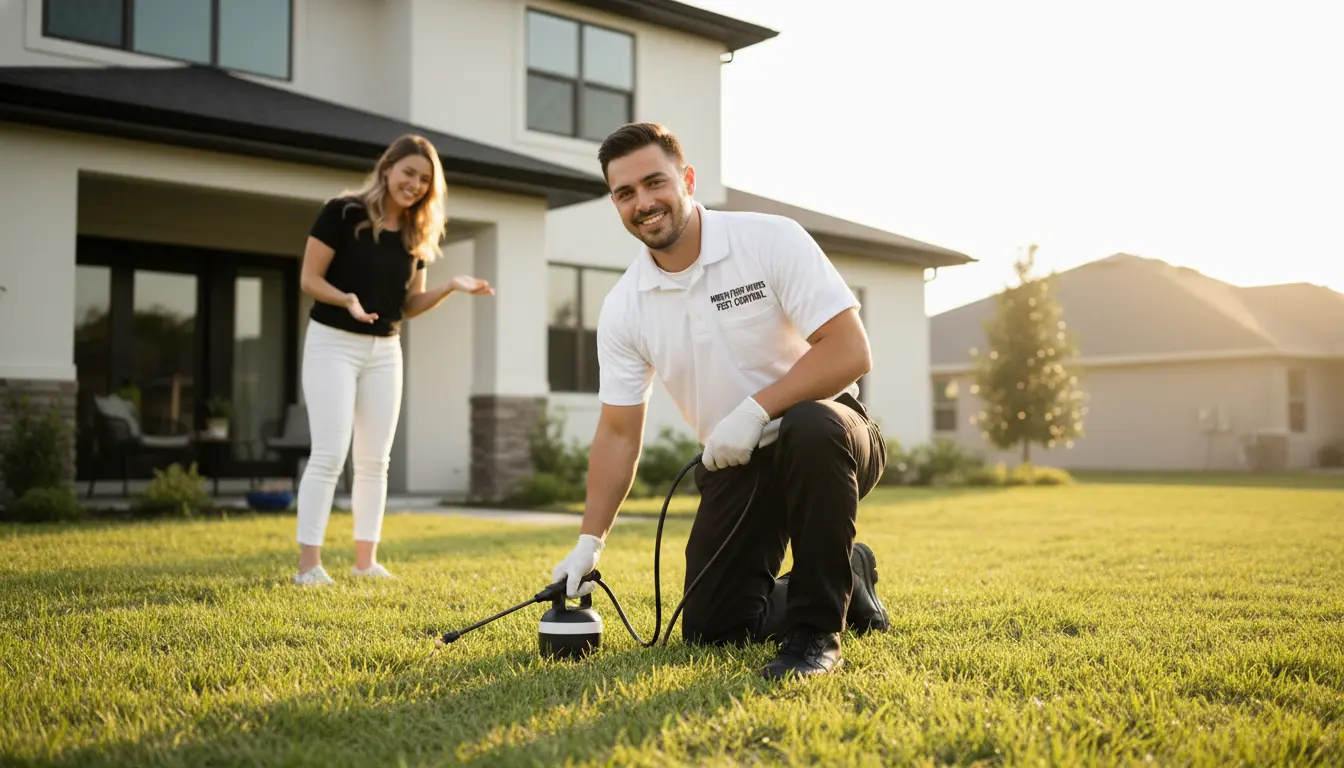
Pest control mistakes are a common occurrence among homeowners, and understanding what these mistakes entail is crucial for effective pest management. Pest control mistakes refer to the errors or oversights made by homeowners in their attempts to control or eliminate pests from their properties, which can lead to ineffective pest control, property damage, and even health risks. It is distinct from professional pest control services, which involve the use of specialized equipment, techniques, and expertise to manage pest infestations. In the context of pest control, mistakes can be as simple as using the wrong type of pesticide or as complex as failing to address the root cause of a pest infestation.
Homeowners near me, particularly in areas prone to pest infestations, must be aware of the common mistakes that can exacerbate pest problems. For instance, DIY pest control mistakes can lead to the misuse of pesticides, which can contaminate soil, water, and air, and pose health risks to humans and pets. Moreover, failing to identify the type of pest correctly can lead to the use of ineffective control methods, allowing the pest population to grow and spread.
The importance of understanding pest control mistakes cannot be overstated, as it can help homeowners take proactive measures to prevent pest infestations and minimize the risks associated with pest control. By being aware of the common mistakes, homeowners can take steps to avoid them and ensure that their pest control efforts are effective and safe. This requires a thorough understanding of pest biology, behavior, and ecology, as well as the use of integrated pest management (IPM) strategies that take into account the specific needs and conditions of the property.
Common Pest Control Mistakes
One of the most common pest control mistakes is the failure to identify the root cause of a pest infestation. This can lead to the use of ineffective control methods, which can allow the pest population to grow and spread. For example, if a homeowner is experiencing a termite infestation, they may use a pesticide that only kills the termites on the surface, without addressing the underlying infestation. This can lead to a recurrence of the infestation, as the termites can simply retreat to their underground colonies and re-emerge when the pesticide wears off.
Another common mistake is the misuse of pesticides. Homeowners may use pesticides that are not labeled for the specific pest they are trying to control, or they may use too much pesticide, which can contaminate soil, water, and air, and pose health risks to humans and pets. For instance, common pests in Southwest Florida such as mosquitoes, ticks, and fleas require specialized control methods and equipment, and using the wrong pesticide can be ineffective and even dangerous.
Pest-Specific Mistakes
Some pest control mistakes are specific to certain types of pests. For example, when it comes to rodent control, homeowners may make the mistake of sealing only the entry points that they can see, without realizing that rodents can squeeze through tiny openings and find alternative entry points. This can lead to a recurrence of the infestation, as the rodents can simply find new ways to enter the property.
Similarly, when it comes to earwig control, homeowners may make the mistake of using pesticides that only kill the earwigs on the surface, without addressing the underlying infestation. This can lead to a recurrence of the infestation, as the earwigs can simply retreat to their underground burrows and re-emerge when the pesticide wears off.
Preventing Pest Control Mistakes
To prevent pest control mistakes, homeowners must take a proactive approach to pest management. This requires a thorough understanding of pest biology, behavior, and ecology, as well as the use of integrated pest management (IPM) strategies that take into account the specific needs and conditions of the property. Homeowners can start by identifying pest hotspots and taking steps to prevent pest infestations, such as sealing entry points, removing food sources, and eliminating standing water.
Homeowners can also benefit from professional pest control services, which can provide effective and safe pest control solutions tailored to the specific needs of the property. Professional pest control services can help homeowners identify the root cause of a pest infestation and develop a comprehensive plan to eliminate the pests and prevent future infestations.
Conclusion
In conclusion, pest control mistakes can have serious consequences, including ineffective pest control, property damage, and health risks. Homeowners near me must be aware of the common mistakes that can exacerbate pest problems and take proactive measures to prevent pest infestations. By understanding the root cause of a pest infestation and using integrated pest management (IPM) strategies, homeowners can ensure that their pest control efforts are effective and safe. For more information on pest control and prevention, visit our blog or contact us for professional pest control services.
Remember, preventing pest control mistakes requires a thorough understanding of pest biology, behavior, and ecology, as well as the use of effective and safe pest control methods. By taking a proactive approach to pest management, homeowners can protect their properties and their health from the risks associated with pest infestations. Don’t wait until it’s too late – take action today to prevent pest control mistakes and ensure a pest-free home.
For homeowners who want to learn more about pest control and prevention, we recommend checking out our resources on pest control in Labelle and termite treatments in Fort Myers. We also offer a range of services, including mosquito control, bird control, and spider control. Contact us today to learn more about our services and how we can help you prevent pest control mistakes.